
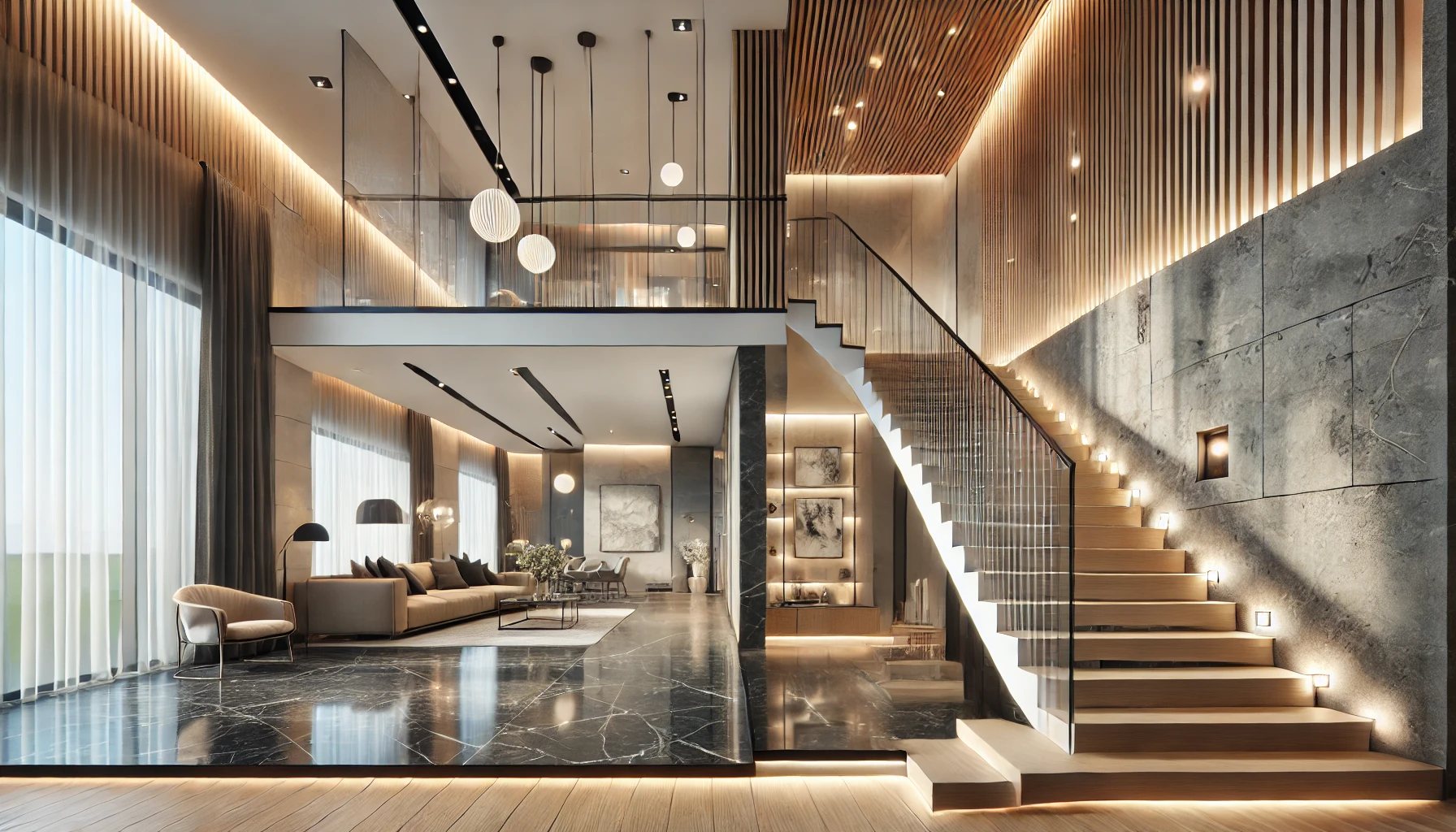
Prefab vs Custom Built Homes in Ottawa — Which Should You Choose?
What Are Prefab Homes? What Are Custom Built Homes?
Before comparing, it is important to understand what each term actually means — because “prefab” covers a wide range of construction types, and “custom” does not always mean what you think.
For this comparison, we are focusing on modular prefab homes (the most relevant prefab type for Ottawa buyers considering prefab homes Ottawa companies) versus fully custom built homes. These represent the two ends of the spectrum for anyone planning a new home Ottawa families can be proud of for decades.
Head-to-Head Comparison — Prefab vs Custom Homes in Ottawa
Here is how prefab homes in Ottawa compare to custom built homes across every factor that matters. We present both sides honestly — because the right choice depends on your priorities.
The scorecard: Prefab wins on upfront cost, speed, and weather protection during construction. Custom homes win on design freedom, build quality, energy performance, material choice, lot flexibility, and resale value. Your decision depends on which factors matter most for your specific situation.
The Real Cost of Prefab vs Custom — What Ottawa Buyers Actually Pay
The advertised price of prefab homes in Ottawa is often misleading because it excludes significant costs that are included in custom home pricing. Here is what you actually pay for each approach when building a 2,500 sq ft new home in Ottawa.
🏭 Prefab Home (2,500 sq ft)
Factory module cost: $500,000–$875,000
Transport & crane: $15,000–$40,000
Foundation: $60,000–$120,000
Site prep & services: $30,000–$60,000
On-site finishing: $40,000–$100,000
Permits & engineering: $10,000–$25,000
Landscaping & driveway: $20,000–$60,000
Total: $675,000–$1,280,000
+ Land ($150,000–$500,000+)
🏗️ Custom Home (2,500 sq ft)
Design & architecture: Included in build cost
Foundation: $80,000–$180,000
Framing & structure: $120,000–$240,000
Exterior envelope: $80,000–$180,000
Mechanical systems: $100,000–$220,000
Interior finishes: $200,000–$420,000
Permits, engineering, soft costs: $65,000–$150,000
Total: $750,000–$1,625,000+
+ Land ($150,000–$500,000+)
💡 The Hidden Cost Gap: When you add foundation, transportation, site work, and on-site finishing — costs often excluded from prefab homes Ottawa pricing — the actual price gap between prefab and custom narrows significantly. At the lower end, prefab saves 10–20%. At the upper end, the total cost can be comparable, but custom delivers dramatically more value in design, quality, and resale. For detailed Ottawa construction costs, see our 2026 cost guide.
Design Freedom — The Biggest Difference Between Prefab and Custom
This is where the two approaches diverge most dramatically, and it is the factor that most Ottawa homeowners underestimate when initially attracted by prefab pricing.
Prefab design limitations. Modular homes are constrained by module dimensions — typically 12–16 feet wide and 50–70 feet long — because they must be transportable by truck on public roads. This limits ceiling heights, room proportions, and architectural features. Open-concept great rooms with soaring ceilings, curved walls, double-height foyers, dramatic window walls, and unique roof lines are difficult or impossible with modular construction. You select from a catalogue of pre-engineered floor plans with limited modifications.
Custom design freedom. Custom homes start from a blank page. Your architect designs the home specifically for your lot’s orientation, views, topography, and setback requirements. Every room dimension, ceiling height, window placement, and architectural detail is yours to choose. The interior design is tailored to your family’s lifestyle — not a manufacturer’s catalogue. This is what makes custom homes genuinely one-of-a-kind.
The practical impact. If you want a 22-foot open-concept living room, a chef’s kitchen with a 10-foot island, a mudroom sized for an Ottawa family that owns ski gear for five people, or a primary suite oriented to catch morning sunlight — custom is the only way to get exactly that. Prefab gets you close; custom gets you right. For design inspiration, explore our guides on modern vs traditional custom home design and luxury custom home design.
Build Quality, Materials, and Longevity
Both prefab and custom homes in Ontario must meet the Ontario Building Code — a stringent standard that ensures structural integrity, fire safety, and basic energy performance. But “meeting code” is the minimum, not the benchmark for quality. Both approaches also require Tarion warranty registration when sold as new homes.
Prefab quality advantages. Factory construction offers consistent conditions — no rain-soaked lumber, no freezing temperatures during concrete pours, and standardized quality control processes. Assembly-line efficiency can reduce human error on repetitive tasks. Good modular builders produce solid, well-built homes that last decades.
Custom quality advantages. Custom homes can exceed code in every category — thicker insulation, premium structural systems, higher-grade materials, better moisture management, and superior mechanical systems. A custom builder selects materials for each specific application rather than using standardized factory stock. The result is a home built to a higher standard than code requires, with materials and methods chosen for longevity, performance, and aesthetic quality.
The connection point. One area where prefab homes are vulnerable is the connection between modules. Seams between factory sections — where walls, floors, and roof lines meet — must be perfectly sealed and finished on-site. This work depends entirely on the quality of the on-site assembly crew. Moisture intrusion at module seams is the most common defect in modular construction. Custom built homes, constructed entirely on-site, do not have these junction points. For more on how energy-efficient construction delivers above-code performance, see our detailed guide.
Considering a Custom Home in Ottawa?
Free consultation — we show you exactly what a custom home costs for your lot, your design, and your budget.
(613) 454-5850
Ottawa-Specific Factors That Affect Your Prefab vs Custom Decision
Ottawa’s geography, climate, and building environment create specific considerations that affect whether prefab or custom construction works best for your new home Ottawa project. Understanding these factors helps you evaluate prefab homes Ottawa manufacturers more critically.
Lot access challenges. Modular homes require wide, straight access for transport trucks and a crane for placement. Many infill lots in established Ottawa neighbourhoods — Westboro, the Glebe, Old Ottawa South, Alta Vista — have narrow driveways, overhead wires, mature trees, and tight access that make modular delivery extremely difficult or impossible. Custom building adapts to any lot access condition because materials arrive in manageable sizes.
Leda clay soil conditions. Much of Ottawa sits on sensitive Leda clay that requires specific foundation design. Custom builders with Ottawa experience design foundations for local soil conditions. Prefab manufacturers may not account for Ottawa-specific geotechnical requirements in their standard designs, potentially requiring expensive foundation modifications on-site.
Climate performance. Ottawa’s temperature extremes (-30°C to +35°C) make building envelope performance critical. Custom builders can specify higher insulation levels, triple-pane windows, advanced air sealing, and mechanical systems optimized for Ottawa’s climate. Standard prefab specifications may meet code minimums but fall short of what Ottawa’s climate demands for genuine comfort and energy efficiency.
Zoning and setbacks. Ottawa’s varied zoning — from urban R4 to suburban R1 to rural zones — creates lot-specific constraints that custom design accommodates naturally. Prefab floor plans may not comply with specific setback requirements, lot coverage maximums, or height restrictions for your particular property. A building permit is required for both approaches, but custom designs are created to comply from the start.
Location matters. Prefab works well on larger, accessible lots in suburban and rural areas — Greely, Manotick, Russell, and other communities with wider lots and easier truck access. Custom building works everywhere — from tight Kanata and Stittsville infill lots to large acreage properties in rural Ottawa. Custom homes can be designed for any lot in any Ottawa area of service.
5 Myths About Prefab Homes That Ottawa Buyers Should Know
Prefab marketing has created several misconceptions that lead to buyer disappointment. Here are the most common myths versus reality for prefab homes Ottawa buyers encounter during their research.
Myth 1: “Prefab homes cost half what custom homes cost.” Reality: The factory module cost is lower, but once you add foundation, site prep, transport, crane, on-site finishing, permits, and landscaping, total costs are typically only 10–20% less than semi-custom construction. The gap with fully custom builds is larger, but so is the gap in quality, design, and long-term value.
Myth 2: “Prefab homes are ready in weeks.” Reality: Factory production takes 8–16 weeks, but total project time — including site prep, foundation, delivery scheduling, on-site finishing, and permitting — is typically 5–8 months. Faster than custom, but not the “weeks, not months” that some manufacturers suggest.
Myth 3: “Prefab quality is the same as stick-built.” Reality: Modular homes meet the same Ontario Building Code — which means the minimum standard is the same. But code minimum and excellent are very different things. Custom builders routinely exceed code standards in insulation, air sealing, structural design, and material selection. Prefab builders optimize for factory efficiency, which does not always align with maximum quality.
Myth 4: “You can customize prefab homes however you want.” Reality: Modification options exist but are limited by module geometry, factory production lines, and transport constraints. Moving a wall 18 inches, adding a bay window, changing ceiling heights, or modifying the roofline may be impossible or prohibitively expensive. With custom homes, these changes are routine design decisions.
Myth 5: “Prefab homes have no resale stigma.” Reality: While perceptions are improving, some Ottawa buyers and appraisers still distinguish between modular and conventionally built homes. Custom built homes generally appraise and sell at premiums because they are perceived as higher quality, unique, and purpose-designed. This resale difference matters when your home is your largest financial asset.
Which Should You Choose? — A Decision Guide for Ottawa Buyers
Use this framework to determine whether prefab or custom construction is the right path for your new home Ottawa build. Whether you are researching prefab homes Ottawa companies or exploring custom builders, these criteria help you decide.
🏭 Prefab May Be Right If…
→ Budget is your primary constraint and you want the lowest possible cost per square foot
→ Speed matters — you need to move in within 6–8 months
→ Your lot is accessible, flat, and in a suburban or rural area
→ You are comfortable choosing from pre-designed floor plans
→ Standard materials and finishes meet your expectations
🏗️ Custom Is Right If…
→ You want a home designed specifically for your lot, lifestyle, and aesthetic
→ Build quality and energy performance are priorities
→ Your lot is narrow, sloped, or has limited access
→ You want complete freedom in materials, finishes, and layout
→ Long-term resale value matters to your family
→ You value a design-build relationship with a dedicated local team
Many Ottawa families who begin their search looking at prefab homes ultimately choose custom construction once they understand the true cost gap, design limitations, and lot constraints involved. The initial price appeal of prefab is real — but so are the trade-offs. The investment in custom construction delivers a home that fits your life perfectly, performs at a higher level, and builds long-term equity more effectively. Learn about our step-by-step custom building process and discover why Ottawa families trust us with their most important investment.
The Hybrid Approach — Prefab Components in Custom Homes
There is a middle ground that many homeowners do not know about: using factory-built components within a custom-designed home. Experienced custom home builders incorporate prefabricated elements — engineered roof trusses, pre-built wall panels, factory-finished cabinetry, prefab stair systems — to capture some of prefab’s efficiency advantages without sacrificing design freedom.
This hybrid approach delivers the best of both worlds: a fully custom-designed floor plan with the precision and efficiency of factory components where they add value. It reduces waste, can improve construction speed by 10–15%, and maintains the complete design flexibility that makes custom homes the superior long-term investment. At Custom Home Builder Ottawa, we strategically use prefabricated components where they improve quality and efficiency — while maintaining the fully custom design experience our clients expect. Explore our design-build approach to see how we combine the best methods for each project.
Frequently Asked Questions About Prefab vs Custom Homes in Ottawa
How much do prefab homes cost in Ottawa in 2026?
Prefab homes in Ottawa cost $200–$350 per square foot for the factory module, but total all-in costs including foundation, transport, site work, on-site finishing, permits, and landscaping bring the true price to $270–$500+ per square foot. For a 2,500 sq ft modular home, expect a total investment of $675,000–$1,280,000 before land — significantly higher than the advertised factory price alone.
Are prefab homes as durable as custom built homes?
Modular prefab homes meet the same Ontario Building Code as conventionally built homes, so the minimum structural standard is identical. However, custom homes typically exceed code standards with premium materials, superior insulation, and better moisture management. The most vulnerable point in modular construction is the connection between factory modules, where on-site sealing quality is critical for long-term durability and weather performance.
Can I put a prefab home on any lot in Ottawa?
Not necessarily. Modular homes require wide, straight road access for transport trucks and adequate space for crane placement. Narrow urban infill lots, lots with overhead wires, restricted access driveways, and sloped sites can make modular delivery impossible or extremely expensive. Custom construction adapts to any lot condition because materials arrive in manageable sizes on standard trucks.
How long does it take to build a prefab home vs a custom home in Ottawa?
A prefab modular home typically takes 5–8 months from order to move-in, including factory production (8–16 weeks), site preparation and foundation, delivery and assembly, and on-site finishing. A custom home takes 12–18 months from initial design through move-in. The 4–10 month time difference is real, but the custom timeline includes a design phase that results in a home tailored specifically to your needs.
Do prefab homes hold their value in Ottawa’s real estate market?
Modular homes on permanent foundations generally hold value well, though they may not appreciate at the same rate as comparable custom built homes. Some Ottawa buyers and appraisers still distinguish between modular and conventionally built homes, which can affect resale pricing. Custom homes, with their unique design and premium construction, typically command higher resale premiums because they are perceived as higher-quality and one-of-a-kind.
Can I customize the interior of a prefab home?
Yes, but within limits. Most modular manufacturers offer upgrade packages for cabinetry, countertops, flooring, and fixtures — similar to a production builder’s upgrade system. However, you cannot typically make structural changes to room layouts, ceiling heights, or exterior design. Custom homes offer complete interior design freedom — every material, fixture, and finish is individually selected from any source, not limited to a manufacturer’s catalogue.
Do I still need a foundation for a prefab home?
Yes — modular homes in Ottawa require a permanent foundation, which must be built on-site before the modules arrive. Foundation costs ($60,000–$120,000 for a 2,500 sq ft home) are often excluded from the advertised module price. The foundation must be designed for Ottawa’s Leda clay soil conditions and built to Ontario Building Code standards, just like a conventional home foundation.
Are prefab homes more energy efficient than custom homes?
Not inherently. Factory construction provides tight tolerances which can improve air sealing, but prefab homes are typically built to code minimum energy standards. Custom homes can be designed to exceed code significantly — with options like triple-pane windows, heat pump systems, advanced insulation, HRV ventilation, and solar-ready infrastructure. In Ottawa’s extreme climate, investing in above-code energy performance pays for itself through reduced heating and cooling costs.
Can I get a mortgage for a prefab home in Ottawa?
Modular homes on permanent foundations qualify for standard mortgages from most Canadian lenders — the same as conventionally built homes. However, manufactured (mobile) homes on steel chassis may face financing restrictions. Construction mortgage draw schedules differ for prefab versus custom, as factory payment milestones do not align with traditional construction draw stages. Confirm financing details with your lender before committing.
How do I get started with building a new home in Ottawa?
Start by establishing your budget range, identifying your lot (or getting help finding one), and defining what matters most — cost, speed, design freedom, quality, or long-term value. Whether you are searching for prefab homes Ottawa options or exploring custom builders, compare proposals for your specific project. At Custom Home Builder Ottawa, our free consultations include a lot assessment, budget discussion, and realistic project scope — so you can make an informed comparison for your new home Ottawa project. Call us at (613) 454-5850 to start exploring your options.
Ready to Build Your Dream Home in Ottawa?
Custom design. Premium construction. Transparent pricing — one team, start to finish.
Serving Ottawa, Kanata, Stittsville, Orleans, Nepean, Barrhaven, Manotick, Greely & all surrounding communities.
(613) 454-5850