
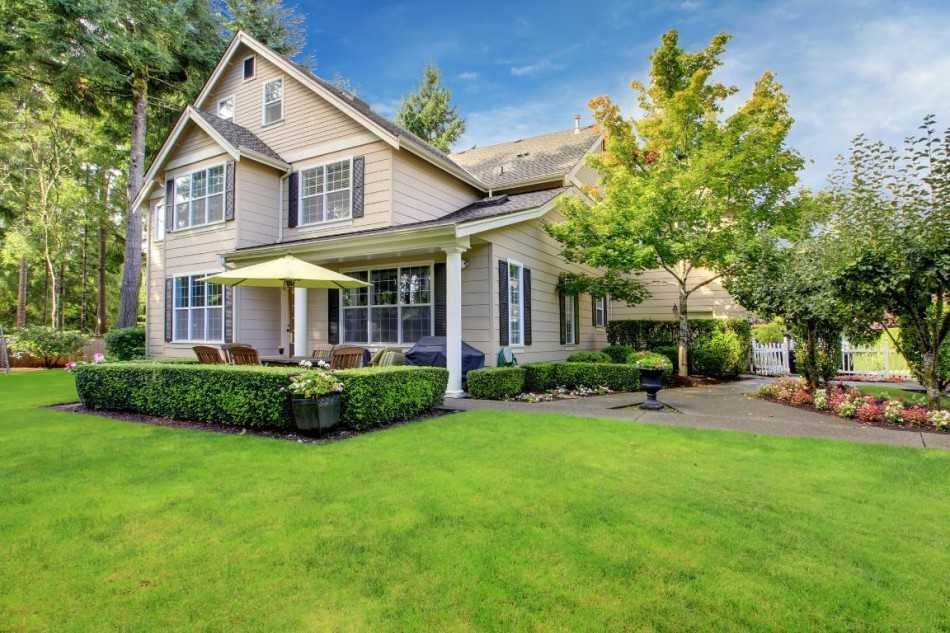
Building a custom home on vacant land in Ottawa offers complete creative freedom to design your dream home exactly as you envision it, positioned perfectly on your chosen property. Whether you already own land or are searching for the ideal building lot, understanding the development process, costs, permits, and timelines ensures your project proceeds smoothly from land acquisition through final occupancy.
Vacant land development differs significantly from building in established subdivisions or pursuing infill development. This comprehensive guide covers everything Ottawa homeowners need to know about transforming raw land into exceptional custom homes in 2026.
Understanding Vacant Land Development
Vacant land development involves purchasing undeveloped property and constructing a custom home from the ground up. Unlike subdivision lots with prepared infrastructure, vacant land typically requires comprehensive site preparation including clearing, grading, utility installations, well drilling, septic systems, and driveway construction before home building begins.
This approach appeals to homeowners seeking privacy, acreage, specific locations, or complete design freedom unconstrained by subdivision covenants or neighborhood architectural controls. Rural communities surrounding Ottawa including Manotick, Greely, Russell, and Cumberland offer abundant vacant land opportunities.
Step-by-Step Process for Building on Vacant Land
Step 1: Land Search and Acquisition
Begin by identifying regions matching your lifestyle preferences, commute requirements, and budget parameters. Ottawa’s surrounding areas offer diverse options from acreage home developments on multi-acre properties to smaller rural lots in established communities.
Work with real estate agents specializing in land sales who understand zoning, building potential, and local market conditions. Search realtor.ca filtering for vacant land in target areas, explore rural municipalities for available lots, contact landowners directly regarding undeveloped parcels, and attend estate sales offering land properties.
Rural vacant lots in Ottawa’s surrounding areas typically range from $50,000-$200,000+ depending on size, location, services, and development potential. Premium waterfront or specially desirable locations command higher prices.
Step 2: Land Due Diligence and Evaluation
Before purchasing, conduct thorough due diligence preventing costly surprises after acquisition. Essential evaluations include zoning verification confirming residential use permissions, soil testing assessing building suitability and septic capacity, surveying establishing exact boundaries and easements, environmental assessments identifying contamination or protected features, and utility availability confirming water, electrical, and internet access options.
Retain professionals including surveyors, soil engineers, septic designers, and experienced design-build firms to evaluate lots before purchase. Professional assessment identifies red flags and development costs ensuring realistic budget planning.
Make purchase offers conditional on satisfactory due diligence results including perc tests for septic approval, survey confirmation of usable building area, and verification of utility connection feasibility. These conditions protect your investment if critical issues emerge.
Step 3: Preliminary Design and Budget Planning
Once you secure suitable land, begin preliminary home design considering site characteristics, solar orientation, views, access points, and septic/well locations. Your architectural design team creates plans optimized for your specific property while incorporating your lifestyle requirements and aesthetic preferences.
Develop comprehensive budgets covering all project costs including construction, site preparation, well and septic installation, driveway construction, utility connections, permits and fees, landscaping, financing costs, and contingency reserves. Realistic budgeting prevents financial stress during construction.
Step 4: Permits and Approvals
Vacant land development requires multiple permits and approvals before construction begins. Building permits confirm your home design meets Ontario Building Code requirements and cost $8,000-$15,000 depending on home size. Septic permits verify system design meets environmental standards for your soil conditions and lot size, costing $500-$1,500.
Well permits authorize water source drilling and typically cost $250-$500. Entrance permits approve driveway connections to public roads and run $200-$800. Some municipalities require site plan approval for larger projects adding 2-4 months to timelines.
Work with builders experienced in rural permitting who navigate municipal requirements efficiently and maintain positive relationships with building departments. Permit processing typically requires 8-16 weeks depending on complexity and municipal workload.
Step 5: Site Preparation and Infrastructure
Site preparation begins once permits are approved. Initial work includes clearing trees and vegetation while preserving desirable features, rough grading establishing drainage patterns and building pad, excavating for well drilling and septic system installation, constructing driveway base, and establishing temporary construction access and staging areas.
Well drilling costs $8,000-$15,000 depending on required depth to reach adequate water supplies. Septic systems range from $15,000-$30,000+ depending on soil conditions, system size, and complexity. Driveway construction runs $10,000-$40,000+ depending on length, base preparation, and surface material.
Electrical service installation from road to building site costs $3,000-$8,000 depending on distance. If natural gas service is available, connection adds $2,000-$5,000. These infrastructure investments occur before home construction begins but prove essential for livable homes.
Step 6: Home Construction
With site preparation complete and infrastructure installed, home construction proceeds following your custom home building process. Foundation work begins first, followed by framing, roofing, exterior finishing, mechanical systems installation, insulation, drywall, and finish work.
Construction timelines for vacant land projects typically span 8-12 months from groundbreaking to substantial completion. Winter weather may extend schedules 1-2 months depending on start timing and project complexity. Your builder provides detailed timelines during planning phases.
Step 7: Final Inspections and Occupancy
Multiple inspections occur throughout construction ensuring code compliance. Final occupancy permits require passing inspections for building, electrical, plumbing, HVAC, septic, and well water quality. Once all inspections pass, you receive your occupancy permit allowing legal move-in.
Final landscaping, driveway paving, and exterior finishing typically complete after occupancy, allowing you to move in while finalizing outdoor elements during favorable weather.
Costs of Building on Vacant Land in Ottawa
Land Acquisition Costs
Vacant land prices vary significantly based on location, size, services, and features. Rural lots near Ottawa typically cost $50,000-$100,000 for 1-2 acres, $100,000-$150,000 for 2-5 acres, and $150,000-$250,000+ for 5-10+ acres. Waterfront properties or lots in highly desirable areas command premiums.
Serviced lots with municipal water and sewer available cost more than unserviced parcels requiring wells and septic systems. However, serviced lot premiums may be offset by avoided well and septic installation costs.
Site Development Costs
Site preparation and infrastructure installation represent significant costs beyond home construction. Typical expenses include clearing and grubbing ($2,000-$8,000), excavation and grading ($5,000-$15,000), well drilling and equipment ($8,000-$15,000), septic system installation ($15,000-$30,000), driveway construction ($10,000-$40,000), electrical service installation ($3,000-$8,000), and natural gas connection if available ($2,000-$5,000).
Total site development costs typically range from $45,000-$120,000+ depending on lot conditions, required infrastructure, and distances from services. Challenging sites with poor access, difficult soil conditions, or extensive rock excavation increase costs substantially.
Home Construction Costs
Custom home construction on vacant land costs $300-$650+ per square foot depending on design complexity, material quality, and finishes. These rates align with general custom building but may increase 5-10% on remote sites with challenging access or limited local contractor availability.
For complete cost breakdowns including all construction tiers from economy to luxury builds, review our comprehensive custom home cost guide covering all budget scenarios.
Permits and Professional Fees
Budget $15,000-$35,000 for permits and professional fees including building permits, septic and well permits, entrance permits, survey costs, soil testing, architectural design, engineering services, and legal fees. These soft costs prove essential for successful projects but are sometimes overlooked during initial budgeting.
Financing Costs
Construction financing for vacant land projects typically requires 20-25% down payments covering land purchase and initial development costs. Construction mortgages charge 1-2% higher interest rates than permanent mortgages and require interest-only payments during the build phase.
Budget $20,000-$50,000+ for total financing costs on projects ranging from $750,000-$1,500,000. Work with mortgage specialists experienced in construction financing who understand vacant land development requirements.
Total Project Investment
Complete vacant land home projects typically require total investments of $600,000-$1,800,000+ including land acquisition, site development, home construction, permits and fees, and financing costs. Your specific investment depends on land location and cost, home size and quality, site development complexity, and finish selections.
Compare total investments to completed home values in target areas ensuring your project makes financial sense. Building a $1,200,000 home where comparable properties sell for $900,000 creates negative equity from day one.
Advantages of Building on Vacant Land
Complete Design Freedom
Vacant land development offers unlimited design possibilities unconstrained by subdivision covenants, architectural controls, or neighborhood restrictions. Build exactly the home you envision without compromises required by established community standards.
Your dream home can reflect your unique preferences in style, size, layout, and features without conforming to predetermined neighborhood character.
Privacy and Space
Rural vacant lots typically offer significantly more land than suburban subdivisions, providing privacy, outdoor recreation space, gardening opportunities, and natural buffers from neighbors. Properties ranging from 1-10+ acres create private retreats impossible in dense suburban developments.
Natural Settings
Many vacant land properties feature natural beauty including mature trees, streams, ponds, wildlife habitat, and scenic views. Building in these settings creates peaceful living environments connecting you with nature while maintaining reasonable proximity to Ottawa’s urban amenities.
Investment Potential
Well-chosen vacant land in growth areas often appreciates substantially, particularly as Ottawa’s urban boundary expands and demand for rural residential properties increases. Strategic land purchases sometimes provide excellent long-term investment returns alongside personal enjoyment.
No HOA Fees or Restrictions
Unlike subdivision living, rural vacant land properties typically have no homeowners association fees, rules, or restrictions. You control your property use, landscaping, outbuildings, and lifestyle without committee approvals or monthly fees.
Challenges of Vacant Land Development
Higher Upfront Costs
Vacant land development requires significant upfront investment in land purchase and site development before home construction begins. Well, septic, and driveway costs totaling $35,000-$85,000 must be spent before enjoying any living benefits.
These higher initial costs require larger down payments and construction financing than subdivision builds where developers absorb infrastructure expenses.
Extended Timelines
Vacant land projects typically require 14-20 months from land purchase to occupancy including due diligence, permitting, site development, and construction. This extended timeline exceeds subdivision builds by 3-6 months due to infrastructure installation requirements.
Plan living arrangements accommodating these longer timelines or face rental costs during extended development periods.
Infrastructure Maintenance Responsibilities
Owning private wells and septic systems creates ongoing maintenance responsibilities and costs. Wells require periodic water quality testing, potential equipment replacement, and occasional servicing. Septic systems need pumping every 2-5 years and eventual replacement after 20-30 years.
Budget $500-$1,500 annually for well and septic maintenance costs that subdivision residents avoid through municipal services.
Limited Municipal Services
Rural vacant land locations typically lack municipal water, sewer, natural gas, and sometimes high-speed internet. While internet options continue improving through satellite and wireless technologies, service quality may not match urban fiber optic connections.
Snow removal, garbage collection, and other services may require private arrangements rather than automatic municipal provision common in urban areas.
Longer Commutes
Rural locations offer tranquility and space but typically involve longer commutes to Ottawa’s employment centers. Evaluate commute tolerance carefully considering daily time commitments and transportation costs before choosing distant locations.
Choosing the Right Vacant Land
Location Considerations
Select locations balancing privacy, commute time, community amenities, and lifestyle preferences. Areas like Manotick, Greely, and Cumberland offer Ottawa proximity with rural character.
More distant locations in Russell, Winchester, Embrun, or Limoges provide larger properties at lower costs but extend commute times. Western options include Carleton Place, Pakenham, and Perth.
Site Characteristics to Evaluate
Assess potential land carefully considering topography and drainage, soil conditions for building and septic, trees and natural features, access and road frontage, solar orientation for passive heating, views and privacy, proximity to utilities and services, and flood zones or environmental restrictions.
Visit properties multiple times in different weather conditions and seasons. Spring visits reveal drainage issues that summer inspections miss. Winter visits expose access challenges during snow season.
Zoning and Land Use Verification
Confirm zoning permits residential construction and understand any restrictions. Rural zoning classifications like RU (Rural), RR (Rural Residential), or AG (Agricultural) typically allow single-family homes but may restrict lot sizes, building locations, or secondary uses.
Verify minimum lot sizes for septic approval, often 0.5-1 acre depending on soil conditions. Undersized lots may not receive septic permits preventing construction entirely.
Water and Septic Feasibility
Conduct perc tests evaluating soil percolation rates for septic system approval before purchasing land. Poor soil drainage may require expensive engineered septic systems or prevent development entirely.
Research water table depths and neighboring well depths estimating drilling costs. Extremely deep wells or poor water quality issues discovered after purchase create expensive problems.
Working with Experienced Vacant Land Builders
Why Rural Building Experience Matters
Building on vacant land requires specialized expertise distinct from subdivision construction. Experienced rural builders understand well and septic design, coordinate multiple infrastructure contractors efficiently, navigate rural permitting processes smoothly, design for remote site conditions, and solve access and logistics challenges.
Choose builders with proven vacant land experience evidenced by completed projects in your target area and positive references from recent rural clients.
Design-Build Benefits for Vacant Land
Vacant land projects benefit enormously from design-build approaches integrating site development, infrastructure installation, and home construction under unified management. Design-build firms coordinate well drillers, septic installers, excavators, and home construction trades seamlessly preventing costly disconnects between separate contractors.
The collaborative design-build process ensures your home design works harmoniously with site characteristics, infrastructure requirements, and budget realities from project start.
Questions to Ask Potential Builders
When interviewing builders for vacant land projects, ask about experience with vacant land development in your area, references from recent rural projects you can contact, relationships with well drillers, septic designers, and excavators, understanding of local permitting requirements, approach to site planning and infrastructure coordination, and how they handle unexpected site conditions discovered during development.
Quality builders gladly answer these questions and demonstrate deep experience managing complete vacant land projects.
Financing Vacant Land Development
Construction Mortgage Requirements
Vacant land construction financing differs from subdivision builds. Lenders typically require 20-25% down payments with land purchase sometimes funded separately before construction financing begins. Some borrowers purchase land with cash or separate loans, then obtain construction mortgages covering home building only.
Construction-to-permanent mortgages transition automatically from construction financing to traditional mortgages at completion, saving closing costs and paperwork compared to separate loans.
Draw Schedules and Fund Releases
Construction lenders release funds in scheduled draws at specific project milestones. Typical draw schedule includes land purchase and site preparation, foundation completion, framing and lock-up, mechanicals and drywall, and final completion and occupancy.
Each draw requires lender inspections confirming work completion before releasing funds. This protects both lenders and homeowners ensuring money flows proportionally to actual progress.
Alternative Financing Options
Some homeowners finance vacant land projects through home equity loans on existing properties, personal savings avoiding construction loan complexities, seller financing where landowners carry mortgages, or builder financing programs offered by some construction firms.
Explore all options determining which provides best rates, terms, and flexibility for your specific situation.
Timeline for Vacant Land Projects
Typical Project Phases
Complete vacant land home projects typically follow these timelines: land search and acquisition (1-6 months), due diligence and planning (1-2 months), design development (2-3 months), permitting (2-4 months), site preparation (2-4 weeks), well and septic installation (2-4 weeks), driveway construction (1-2 weeks), and home construction (8-12 months).
Total timelines from initial land search to occupancy typically span 14-24 months with significant variation depending on specific circumstances.
Seasonal Considerations
Ottawa’s climate affects vacant land project scheduling. Spring groundbreaking allows maximum construction season before winter, though wet spring soil sometimes delays starts. Summer starts provide optimal weather but compress schedules before winter arrives. Fall starts may pause for winter after foundation/framing lock-up, resuming exterior work when spring arrives.
Many builders avoid mid-winter starts due to frozen ground complications and weather delays. Plan timing considering optimal construction windows for your location and project scope.
Additional Services for Vacant Land Homeowners
Architectural Design Services
Professional architectural design services prove particularly valuable for vacant land projects requiring site-specific solutions. Architects optimize home positioning for solar gain, views, and privacy while integrating well and septic locations, driveway access, and outdoor living spaces.
Interior Design Integration
Complete interior design services ensure your custom home’s interior matches the care invested in site selection and architectural design. Coordinated design from site planning through interior finishes creates cohesive homes maximizing both beauty and functionality.
Future Expansion Planning
Vacant land properties often support future additions or outbuildings impossible in subdivision settings. Plan for potential home additions, detached garages, workshops, or guest cottages during initial design ensuring infrastructure and site layout accommodate future expansion.
Frequently Asked Questions
How much does it cost to build a house on vacant land in Ottawa?
Building on vacant land near Ottawa typically costs $600,000-$1,800,000+ total including land purchase ($50,000-$200,000), site development ($45,000-$120,000), home construction ($400,000-$1,200,000), and permits/fees ($20,000-$50,000). Your specific cost depends on location, home size, finishes, and site conditions. Factor contingencies of 10-15% for unexpected expenses.
Do I need to own land before talking to builders?
No, experienced builders often help evaluate potential land before purchase and may assist finding suitable properties. Many homeowners benefit from builder input during land selection ensuring lots support their building goals. However, having a shortlist of candidate properties helps builders provide accurate feasibility assessments and cost estimates.
How long does it take to build on vacant land?
Vacant land projects typically require 14-20 months from land acquisition to occupancy including permitting (2-4 months), site preparation (1-2 months), and home construction (8-12 months). Winter weather, complex permits, or challenging sites may extend timelines 2-4 months. Starting permitting during winter allows spring construction starts when weather improves.
What permits are required to build on vacant land in Ottawa?
Building on vacant land requires building permits for home construction, septic permits for waste water systems, well permits for water source, entrance permits for driveway connections to public roads, and electrical permits for service installation. Some municipalities require site plan approval for larger projects. Total permit costs typically range $10,000-$20,000.
Can I live on my land while building?
Living on vacant land during construction requires municipal approval for temporary residence. Some jurisdictions allow RVs or mobile homes with permits during construction periods. However, most homeowners find temporary on-site living impractical due to construction activity, limited services, and regulatory complications. Plan alternative housing during the 12-18 month construction period.
What size lot do I need to build a house in Ottawa?
Minimum lot sizes vary by municipality and zoning. Rural residential lots typically require 0.5-1 acre minimum for septic system approval, though larger lots of 1-5 acres are common. Specific requirements depend on soil conditions, water table depth, and local regulations. Verify minimum lot sizes with municipal planning departments before purchasing land.
Should I buy land first or design my house first?
Most homeowners buy land first, then design homes optimized for specific properties. This approach ensures designs work with actual site characteristics, solar orientation, views, and access. However, if you have very specific home design requirements, evaluate whether potential lots accommodate your vision before purchasing. Experienced builders help coordinate land acquisition and design development efficiently.
How deep do wells need to be in Ottawa area?
Well depths vary significantly depending on location and geology. Ottawa area wells typically range from 50-300+ feet with most residential wells between 100-200 feet. Deeper wells cost more to drill and equip. Research neighboring well depths and consult with local well drillers for area-specific depth estimates before budgeting your project.
What are ongoing costs of owning a home on vacant land?
Rural homes on vacant land incur property taxes, well and septic maintenance ($500-$1,500 annually), private driveway maintenance, snow removal costs (if applicable), potentially higher heating costs due to larger properties, and homeowner’s insurance. Budget 10-20% higher operating costs than suburban homes with municipal services, though you save HOA fees and benefit from lower property tax rates in rural municipalities.
Building Your Dream on Vacant Land
Creating a custom home on vacant land near Ottawa offers unmatched opportunities for personalized design, privacy, and connection with natural settings. While vacant land development involves more complexity than subdivision building, thorough planning, experienced builder partnerships, and realistic budgeting ensure successful outcomes.
The investment in time and resources delivers exceptional rewards through custom homes perfectly tailored to your lifestyle, positioned on properties you’ve personally selected in locations meeting your exact requirements. From peaceful rural retreats to acreage estates with room for all your dreams, vacant land development turns visions into reality.
Ready to explore building your custom home on vacant land near Ottawa? Contact our experienced team at 613-454-5850 to discuss your vision, evaluate potential properties, and begin planning your vacant land custom home project. We guide you through every phase from land selection through final occupancy, ensuring your journey to your dream home succeeds beautifully.
Note: All prices mentioned in this article are provided for general reference and informational purposes only. These prices are not fixed and may vary depending on facts, market conditions, location, time, availability, or other relevant factors. Actual prices may change without prior notice. Readers are advised to verify details independently before making any decisions.